ELIXIR BLOG

What Are the Continuing Education Requirements for Architects in Texas?

So if you're trying to keep your architecture license in Texas, you've gotta stay on top of continuing education (CE) – it's basically mandatory for staying legit and making sure you're up to date on all the new regs, sustainability…

How Smart Manufacturers Turn LEED v5 Requirements Into Competitive Advantages

The late 2025 period has seen a significant convergence between material innovation and transparency requirements. Architectural materiality in 2026 leans toward authenticity and sustainability, with designers prioritizing low-carbon materials such as cross-laminated timber, hempcrete, bamboo composites, and mycelium insulation. The…

Manufacturers Need LEED v5 Documentation: A Strategic Imperative

The launch of LEED v5 represents more than just an incremental update to the world's most widely recognized green building rating system—it marks a fundamental shift in how building products are evaluated, specified, and valued in sustainable construction. For manufacturers,…

So, You Need Help with Your HPDs?

How many specification opportunities did your company lose last quarter because you didn't have a compliant HPD?  The building products industry is experiencing a seismic shift toward transparency and sustainable materials disclosure. At the center of this transformation is the…

LEED v5 Compliance: Why Manufacturers Need HPDs in 2025

As we move through 2025, the landscape of chemical disclosure in building products has evolved dramatically, driven by regulatory changes, market demands, and the growing recognition that the built environment directly influences occupant health. The convergence of new standards, enhanced…

Building Healthier Spaces: How LEED’s Rating System Combats Harmful Chemicals

The modern built environment profoundly impacts human health, with Americans spending approximately 90% of their time indoors. Yet for decades, the construction industry operated with limited awareness of how building materials and their chemical components affect occupant wellbeing. LEED has…

Forever Chemicals in Building Products: How HPDs Provide Solutions

Per- and polyfluoroalkyl substances (PFAS) are a group of over 14,000 synthetic chemicals that have been used in industry and consumer products for more than 70 years. Often called "forever chemicals," PFAS are valued for their unique properties: they resist…

What Is the LEED v5 Low-Emitting Materials Credit?

The overall purpose of the LEED v5 Low-Emitting Materials credit is to protect indoor air quality and human health by requiring the use of building materials with low or no emissions of volatile organic compounds (VOCs). This helps reduce indoor…

4 Simple Ways to Get Your Products Specified for LEED v5

The release of LEED v5 marks a seismic shift in green building — not just another update, but a radical realignment of what it means to build sustainably. This isn’t incremental change. This is a full-on sprint toward climate resilience,…

Understanding LEED v5 Reduce Embodied Carbon Credit

The LEED v5 BD+C Materials and Resources Credit: Reduce Embodied Carbon marks a transformative shift in sustainable design, placing embodied carbon at the forefront of green building certification. For design professionals, this credit introduces both a challenge and an opportunity to…

LEED v5 Building Product Selection and Procurement Credit

The Building Product Selection and Procurement credit is one of the most important LEED v5 credits for building product manufacturers. The credit is also critical for design professionals to understand since it significantly affects product specification. Some sustainability experts call…

Integrative Process in LEED v5 Explained

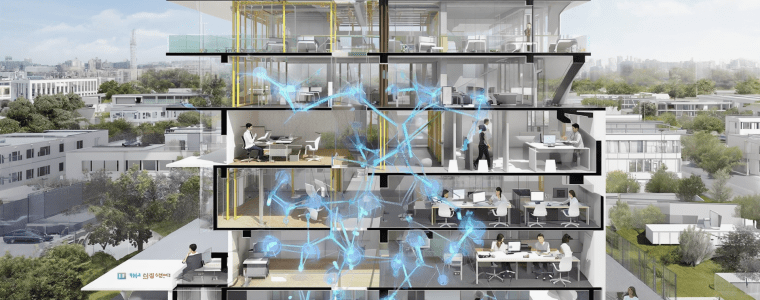
The USGBC emphasizes the importance of the Integrative Process in its LEED v5 rating system, particularly through the Integrative Process credit for New Construction and Core and Shell projects. This credit promotes a collaborative, early-stage approach to building design and construction,…

LEED v5 Embodied Carbon Prerequisite: What Product Manufacturers Must Know

The release of LEED v5 in 2025 marks a pivotal shift in sustainable construction, with embodied carbon now front and center.  Assessing and reporting embodied carbon is a mandatory prerequisite for LEED certification. This change compels building product manufacturers to…