
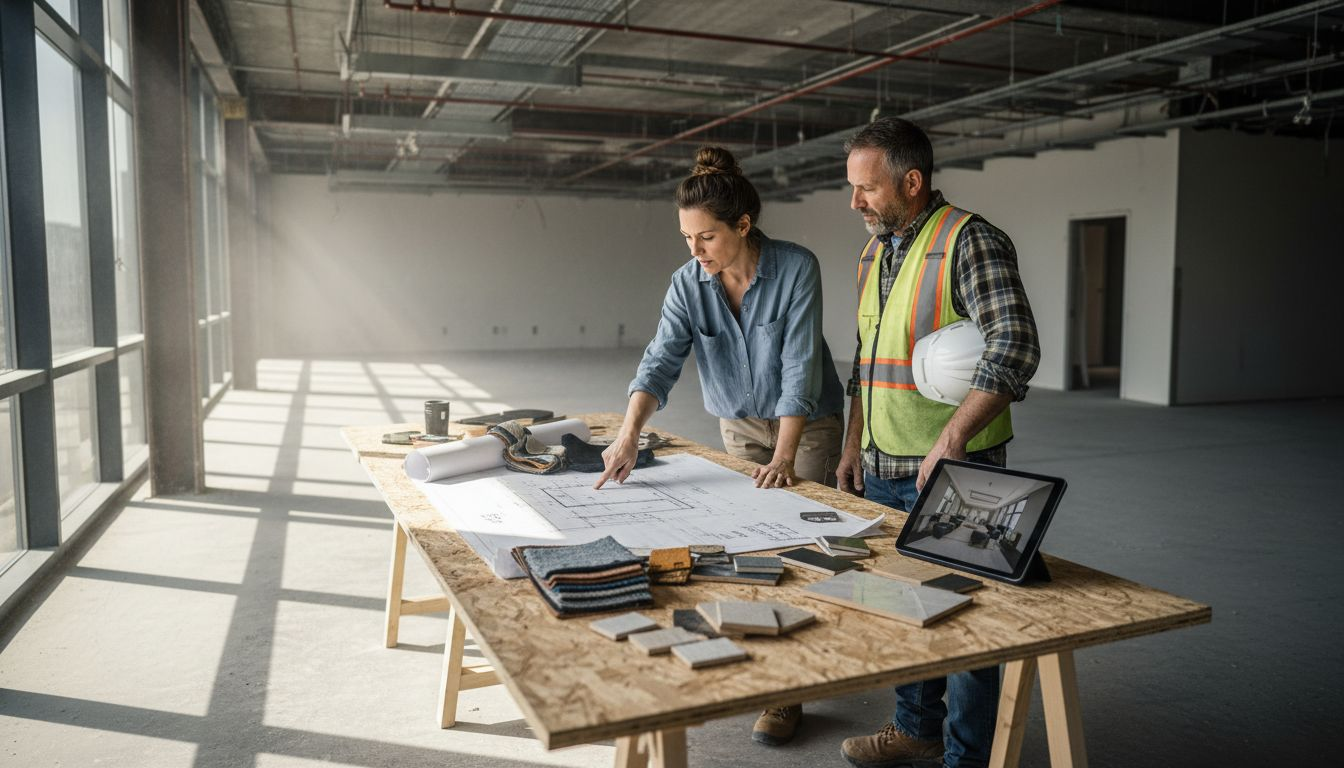
Most construction projects now demand far more from interior design than surface-level style. For both interior designers and AIA architects, successful integration of design disciplines is crucial to meeting client expectations and industry standards. Projects with seamless design integration are up to 25 percent more likely to finish on schedule and within budget. This resource unpacks what defines interior design in construction, helping you streamline collaboration, strengthen compliance, and deliver superior project outcomes.
Table of Contents
- Defining Interior Design in Construction
- Variations of Interior Design Integration
- Collaboration Between Designer and Construction Team
- Compliance With Codes and Industry Standards
- Impacts on Efficiency and Project Outcomes
Key Takeaways
| Point | Details |
| Comprehensive Approach | Interior design extends beyond aesthetics, focusing on functionality, safety, and human well-being in construction projects. |
| Interdisciplinary Collaboration | Effective teamwork between designers, architects, and contractors enhances design quality and project outcomes. |
| Regulatory Compliance | Interior designers must navigate complex codes and standards, ensuring all design elements meet safety and functionality criteria. |
| Efficiency and Outcomes | Strategic interior design optimizes project efficiency, leading to cost savings and increased occupant satisfaction post-completion. |
Defining Interior Design in Construction
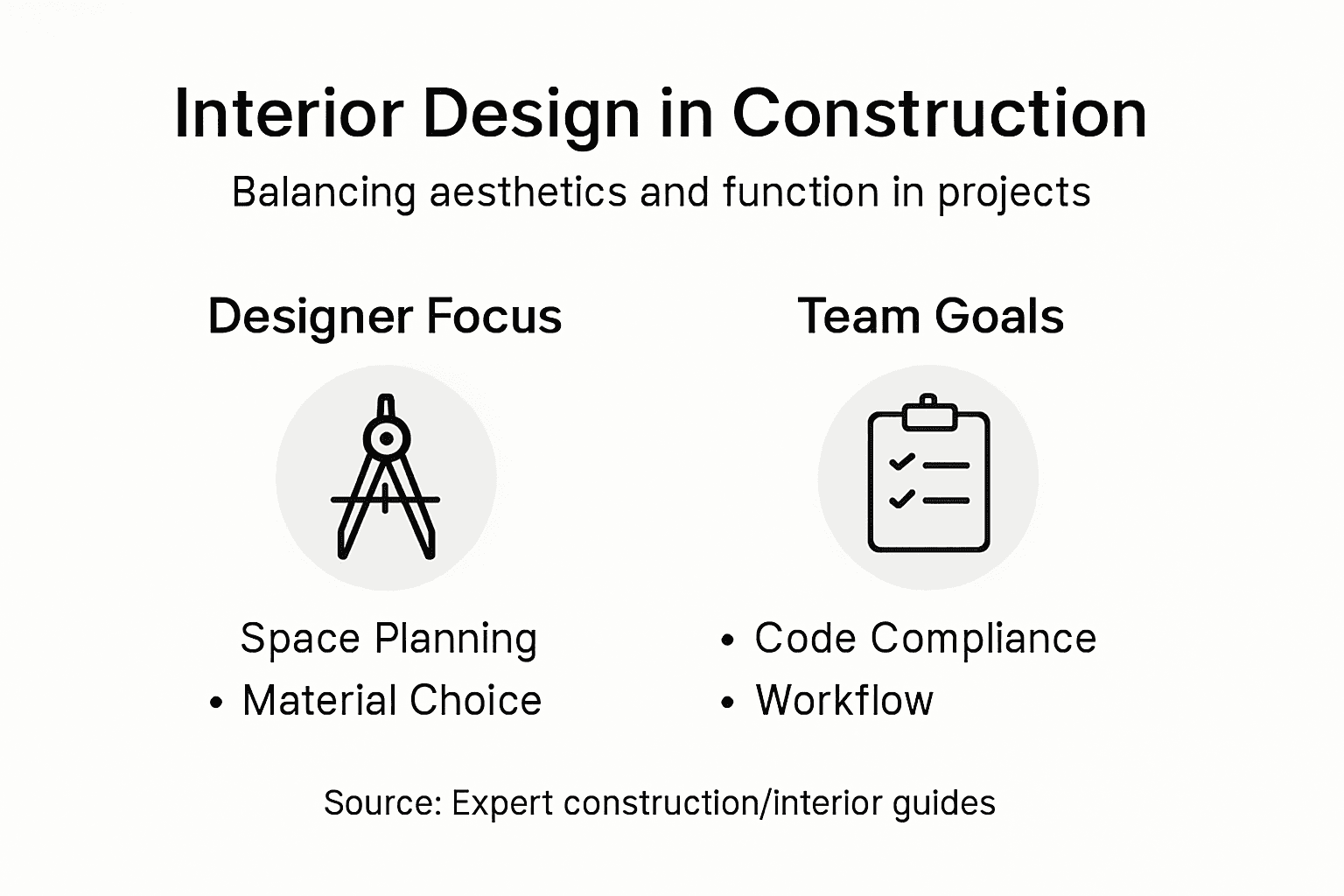
Interior design represents a sophisticated professional discipline that extends far beyond aesthetic considerations in construction projects. Professional organizations define interior design as a comprehensive approach to creating functional, safe, and code-compliant interior environments that prioritize human experience and well-being.
At its core, interior design involves a strategic process of planning, documenting, and managing non-structural interior construction elements. Architects and designers collaborate to transform conceptual ideas into tangible spatial solutions that meet rigorous building standards. The discipline requires deep understanding of multiple interconnected factors including circulation patterns, three-dimensional spatial relationships, material selections, color psychology, and lighting dynamics.
Key components of interior design within construction encompass several critical dimensions:
- Planning interior spatial configurations
- Ensuring accessibility and inclusivity
- Documenting technical specifications
- Analyzing site-specific environmental conditions
- Integrating building code compliance requirements
- Managing project execution from conceptual design through final implementation
Professional interior designers leverage specialized knowledge to create environments that balance aesthetic appeal with functional performance. This multi-disciplinary approach considers client needs, building orientation, and regulatory standards to develop holistic design solutions that enhance human interaction with interior spaces.
Pro tip: Always conduct thorough site assessments and engage with local building code authorities early in the design process to streamline interior design integration within construction projects.
Variations of Interior Design Integration
Interior design integration demonstrates remarkable complexity across different construction contexts, with approaches ranging from minimal aesthetic interventions to comprehensive strategic implementations. Studies in construction industries reveal significant variations in how interior design principles are incorporated into architectural planning, reflecting diverse project requirements and regional standards.
These integration approaches can be broadly categorized into three primary models:
- Minimal Intervention Model: Focuses primarily on surface-level aesthetic enhancements
- Collaborative Design Model: Involves early-stage interdisciplinary cooperation between architects, designers, and construction teams
- Comprehensive Sustainability Model: Embeds design considerations across environmental, social, and economic dimensions
Sustainable design integration strategies demonstrate particularly interesting variations globally. Some regions emphasize aesthetic and functional considerations, while others prioritize environmental performance and occupant well-being. These differences stem from cultural contexts, local building regulations, and evolving professional practices that reshape interior design’s role in construction projects.
The integration complexity increases with project scale and sophistication. Residential projects might require different interior design approaches compared to commercial or institutional buildings, necessitating flexible methodologies that can adapt to unique project specifications and client expectations.
Here’s a quick comparison of three main approaches to interior design integration in construction projects:
| Integration Model | Team Involvement Level | Focus Area | Typical Project Types |
| Minimal Intervention | Designers mainly, limited collaboration | Enhances surfaces and finishes | Small residential, cosmetic updates |
| Collaborative Design | Interdisciplinary team collaboration | Coordinates functional, technical details | Commercial, mixed-use buildings |
| Comprehensive Sustainability | All stakeholders actively involved | Integrates environmental, social impact | Large, public, or green projects |
Pro tip: Develop a standardized internal framework for assessing project-specific interior design integration requirements to ensure consistent and adaptable implementation across different construction contexts.
Collaboration Between Designer and Construction Team
Interdisciplinary collaboration forms the cornerstone of successful construction projects, with interior designers playing a critical bridging role between architectural vision and practical implementation. Research on construction collaboration demonstrates that effective teamwork substantially improves project outcomes, reducing errors and enhancing overall design quality.
The collaboration process typically involves several key interaction points:
- Establishing shared project goals and vision
- Conducting regular interdisciplinary planning meetings
- Developing comprehensive communication protocols
- Sharing technical drawings and specifications
- Resolving potential design conflicts early in the process
- Maintaining transparent documentation of design decisions
Interior designers serve as critical bridge-builders between architects, contractors, and clients. Their unique perspective allows them to translate complex design concepts into actionable plans, ensuring that aesthetic considerations align seamlessly with structural and functional requirements. This collaborative approach enables more nuanced problem-solving and creates opportunities for innovative design solutions that might otherwise remain unexplored.
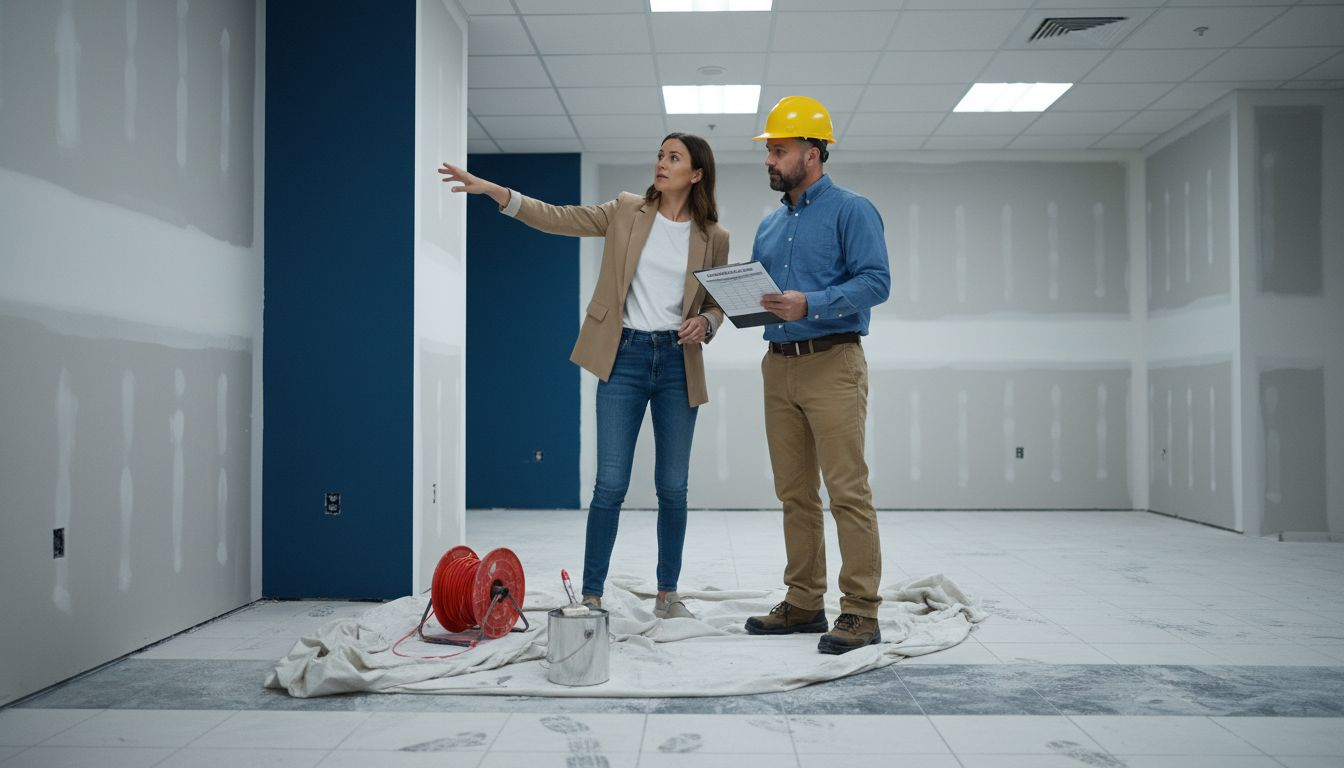
Successful collaboration requires mutual respect, clear communication channels, and a willingness to understand each team member’s professional expertise. Construction teams benefit from interior designers’ detailed material knowledge, while designers gain insights into practical implementation challenges, creating a symbiotic professional relationship that elevates the entire project.
Pro tip: Implement digital collaboration platforms and establish weekly cross-disciplinary review meetings to ensure seamless communication and alignment between interior designers and construction teams.
Compliance With Codes and Industry Standards
Regulatory compliance represents a critical dimension of interior design practice, encompassing a comprehensive framework of legal and professional requirements that protect public safety and welfare. Interior design professionals must navigate complex building codes, fire safety regulations, accessibility standards, and energy efficiency guidelines throughout project development.
Key areas of regulatory compliance include:
- Fire and life-safety regulations
- Americans with Disabilities Act (ADA) accessibility requirements
- Energy conservation standards
- Occupational safety guidelines
- Environmental sustainability protocols
- Local and state building code specifications
Construction documentation demands meticulous attention to legal and ethical standards. Interior designers must demonstrate comprehensive understanding of regulatory frameworks, ensuring that every design element meets prescribed safety, functional, and performance criteria. This process involves detailed technical documentation, thorough risk assessment, and proactive verification of design feasibility before project implementation.
Compliance is not merely a bureaucratic checkbox but a fundamental responsibility that protects client interests, occupant safety, and professional integrity. Designers must continuously update their knowledge of evolving industry standards, participate in professional development programs, and maintain rigorous documentation practices that demonstrate adherence to the most current regulatory requirements.
Pro tip: Develop a comprehensive compliance checklist that integrates the latest building codes and create a systematic review process to verify regulatory alignment at each project stage.
Impacts on Efficiency and Project Outcomes
Strategic interior design dramatically transforms construction project efficiency, creating measurable improvements in both process and final deliverables. Interior design significantly influences project performance by optimizing spatial utilization, reducing unnecessary modifications, and establishing a clear vision for project execution.
Key efficiency impacts include:
- Reduced project timeline complexity
- Minimized costly design revisions
- Improved resource allocation
- Enhanced stakeholder communication
- Better predictive design problem-solving
- Increased occupant satisfaction post-completion
Collaborative design management processes create substantial value by integrating design considerations from project inception. Interior designers contribute critical insights that prevent potential conflicts, streamline workflow, and establish proactive solutions before they become expensive challenges. This approach transforms interior design from a decorative function to a strategic project management discipline that directly influences construction outcomes.
The economic implications of thoughtful interior design extend beyond immediate project parameters. Sustainable material selections, energy-efficient design strategies, and intelligent spatial planning can generate long-term operational cost savings, demonstrating that interior design investment yields substantial returns through enhanced functionality and reduced maintenance expenses.
The table below summarizes how strategic interior design drives efficiency across construction projects:
| Efficiency Factor | Design Contribution | Business Benefit |
| Lower timeline delays | Clear documentation, fewer conflicts | Faster project delivery |
| Cost savings | Early problem prediction | Reduced change orders and expenses |
| Stakeholder satisfaction | Tailored spaces, improved communication | Higher post-occupancy approval |
| Resource utilization | Optimized spatial planning | Better material and labor allocation |
Pro tip: Implement data-tracking mechanisms to quantify interior design contributions, measuring specific efficiency metrics like timeline reduction, cost savings, and stakeholder satisfaction to validate design strategy impacts.
Elevate Your Interior Design Expertise for Construction Success
Navigating the complex role of interior design in construction projects requires thorough knowledge of collaboration, code compliance, and strategic integration. Whether you’re aiming to enhance functional planning, improve interdisciplinary teamwork, or master regulatory standards, staying informed is essential to overcoming common pain points such as costly design revisions and timeline delays.
Unlock the full potential of your projects with continuing education tailored for architects, engineers, interior designers, and contractors. Explore comprehensive learning options that help you implement collaborative design models, ensure code compliance, and boost project efficiency right from the start. Visit Ron Blank & Associates now to access expert-led online courses, webinars, and face-to-face sessions designed to transform your interior design approach in construction. Don’t wait to turn challenges into opportunities—start advancing your skills and specifying the right building products today at Ron Blank & Associates.
Frequently Asked Questions
What is the primary role of interior design in construction projects?
Interior design plays a crucial role in transforming conceptual ideas into functional, safe, and aesthetically pleasing interior environments. It involves planning, documenting, and managing non-structural elements to enhance human experience and well-being within a space.
How do interior designers collaborate with construction teams?
Interior designers collaborate with construction teams by establishing shared project goals, conducting regular planning meetings, sharing technical specifications, and resolving design conflicts early in the process. This teamwork enhances project efficiency and quality.
What are the key components of regulatory compliance in interior design for construction?
Key components include adhering to fire and life-safety regulations, accessibility standards, energy efficiency guidelines, and local building code specifications. Interior designers must ensure that all design elements meet these regulations to protect public safety and welfare.
How does effective interior design impact the efficiency of construction projects?
Effective interior design contributes to efficiency by reducing project timeline complexities, minimizing costly design revisions, and improving resource allocation. It establishes a clear project vision, enhances stakeholder communication, and ultimately increases occupant satisfaction post-completion.